
Overview

St. Andrews Avenue in the City of North Vancouver had undergone a series of street design changes in response to long-standing resident concerns about traffic speed and safety. Although these changes were intended to calm traffic and enhance safety, they were not well received by many residents. The City retained Spur to design and lead a responsive engagement process aimed at rebuilding trust, understanding local experiences of the street post-implementation, and gathering concrete feedback on outstanding issues.

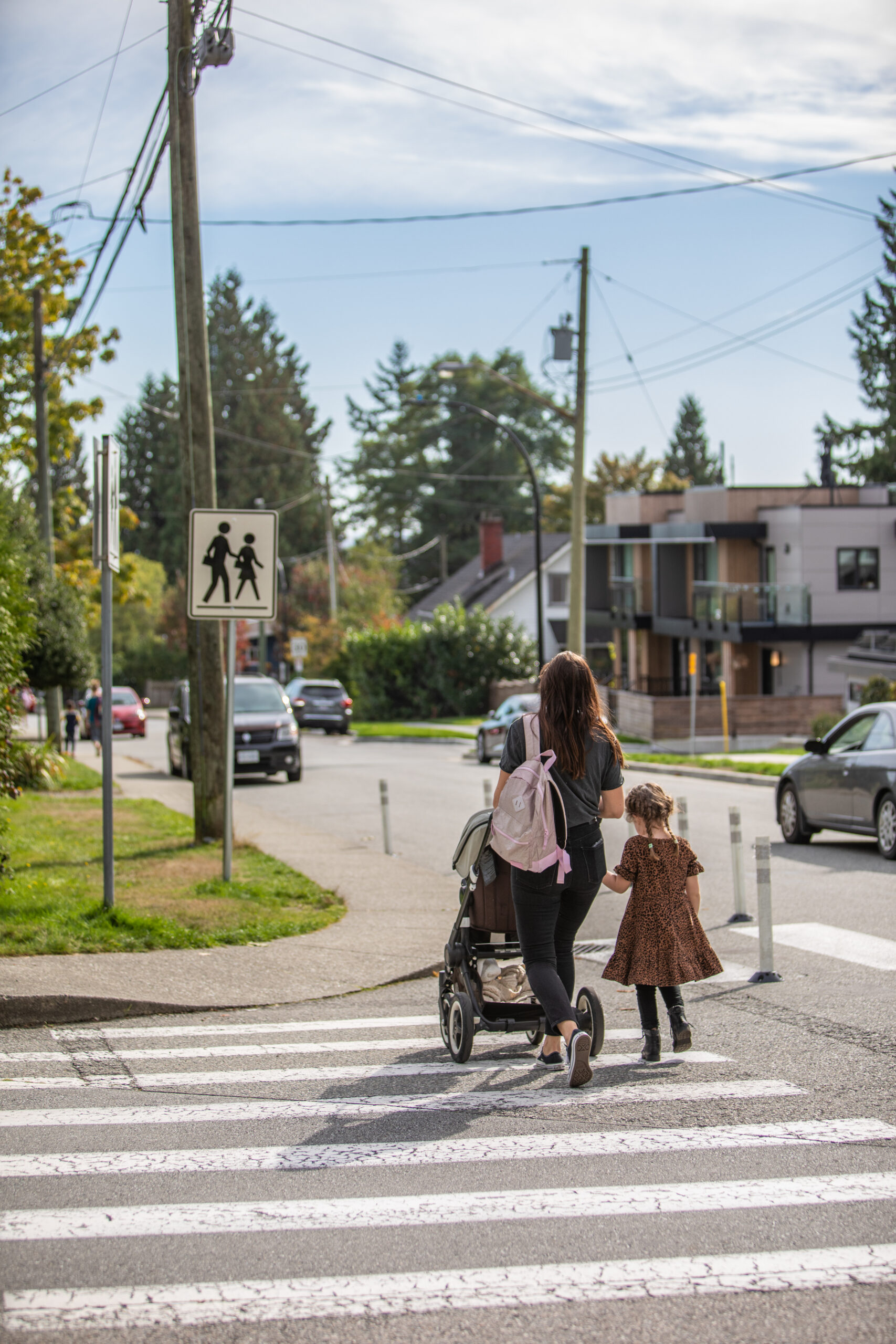
a mother finishes crossing a crosswalk pushing a stroller with a girl walking beside her

Key opportunities

This project came with several inherent complexities:

Retrospective feedback

Unlike many engagement processes, this one came after changes had already been implemented. Community members were reacting to a new street configuration that was already in use, making it vital to distinguish between frustrations about the process and substantive concerns about safety or function.


Competing user needs

While St. Andrews is designated as a local street, many residents and commuters treated it as a bypass route, increasing traffic volumes and speeding. We had to structure our engagement in a way that foregrounded the voices of those most impacted—residents and business owners on the corridor—while still allowing input from other road users.

Tension and emotion

Public discourse around the changes had become polarized. Spur designed engagement formats that would de-escalate tensions, avoid blame, and keep the focus on practical solutions for multi-modal safety and clarity.

Our approach

Spur designed an inclusive and multi-modal engagement process to hear from a wide cross-section of the community. Our strategy included:

A mix of broad promotion and targeted outreach

We collaborated with the City to develop digital and print promotional materials, including postcards distributed door-to-door and social media content that reached over 13,000 people online. Email campaigns were sent to subscribers of the City’s Let’s Talk engagement platform and local associations.

In-person and online engagement

We hosted three in-person workshops specifically for residents and business owners along the corridor. These sessions guided participants through interactive exercises that asked them to evaluate each intersection not only through their own mobility lens, but also from the perspective of other users (e.g., driving, cycling, walking, rolling). This fostered empathy and surfaced cross-cutting insights. An online survey complemented the in-person sessions, allowing broader participation from those unable to attend in person.

Well-organized takeaways

The final engagement summary synthesized feedback from both the workshops and the survey. Data was analyzed and presented across seven thematic categories: traffic speed and driver behaviour; traffic flow and congestion; intersections, crossings, and visibility; accessibility; active transportation and bikeability; safety and road use education; and implementation and communication. Each theme included a summary of what we heard, direct participant quotes, and considerations for City staff. These findings provided the City with a clear and detailed picture of community sentiment and areas for refinement or further communication.

Metrics that matter

0

local participants

0

survey responses

0

engagement themes

0

What We Heard report delivered to the City to inform next steps

The results

This engagement process helped the City shift the tone of the conversation around the St. Andrews improvements. By emphasizing empathy, specificity, and constructive feedback, we were able to diffuse tension and produce a report that both validated people’s concerns and highlighted areas where the new street features were performing well.

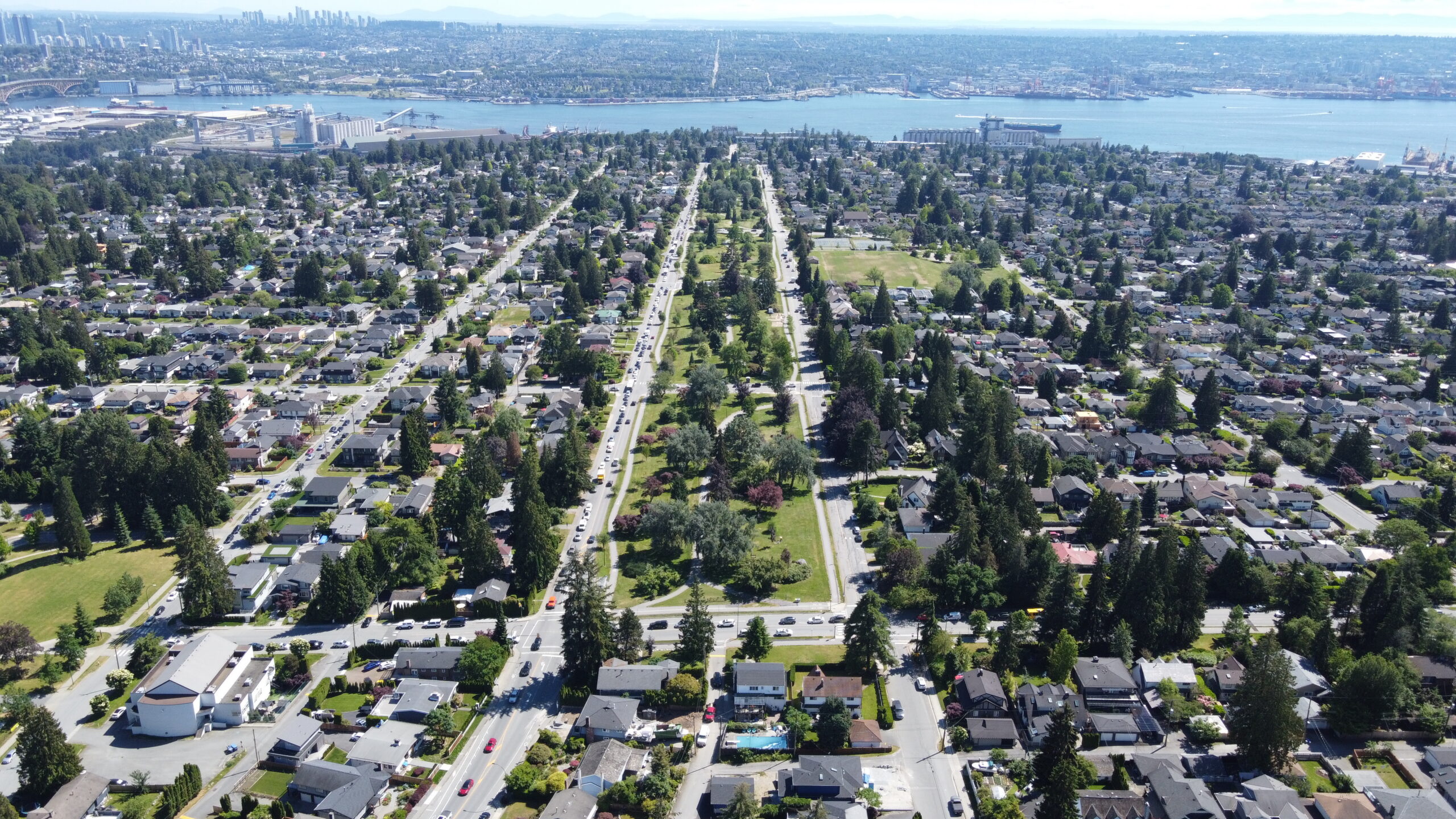
aerial view of the city of north vancouver